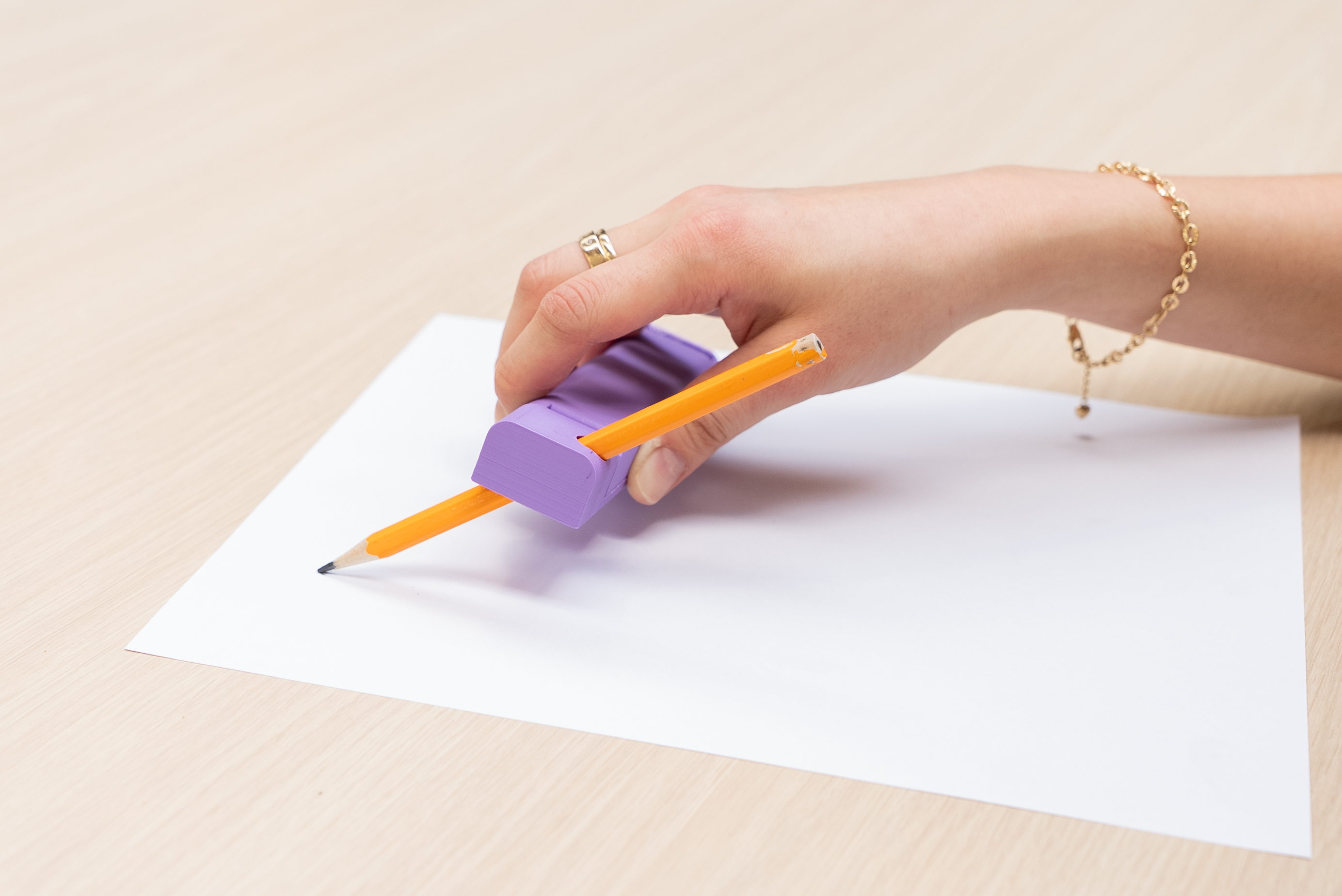

3D printers have emerged as powerful makerspace tools for students to create customized projects and prototypes quickly and easily. For students with disabilities, 3D printing provides a medium to not only learn computer and technical skills, but also to design their own tools and adaptive technology in a quick and affordable way. Adaptive technology is an umbrella term for tools that are adapted, or modified, to help individuals with disabilities perform tasks independently. Though essential, adaptive tools can often be very costly, take a long time to produce, and lack the customization needed to address specific individual needs. 3D printing, however, serves as a quick and affordable alternative to fabricate customized tools tailored to one’s unique needs and preferences, making adaptive technology more easily accessible for everyone.
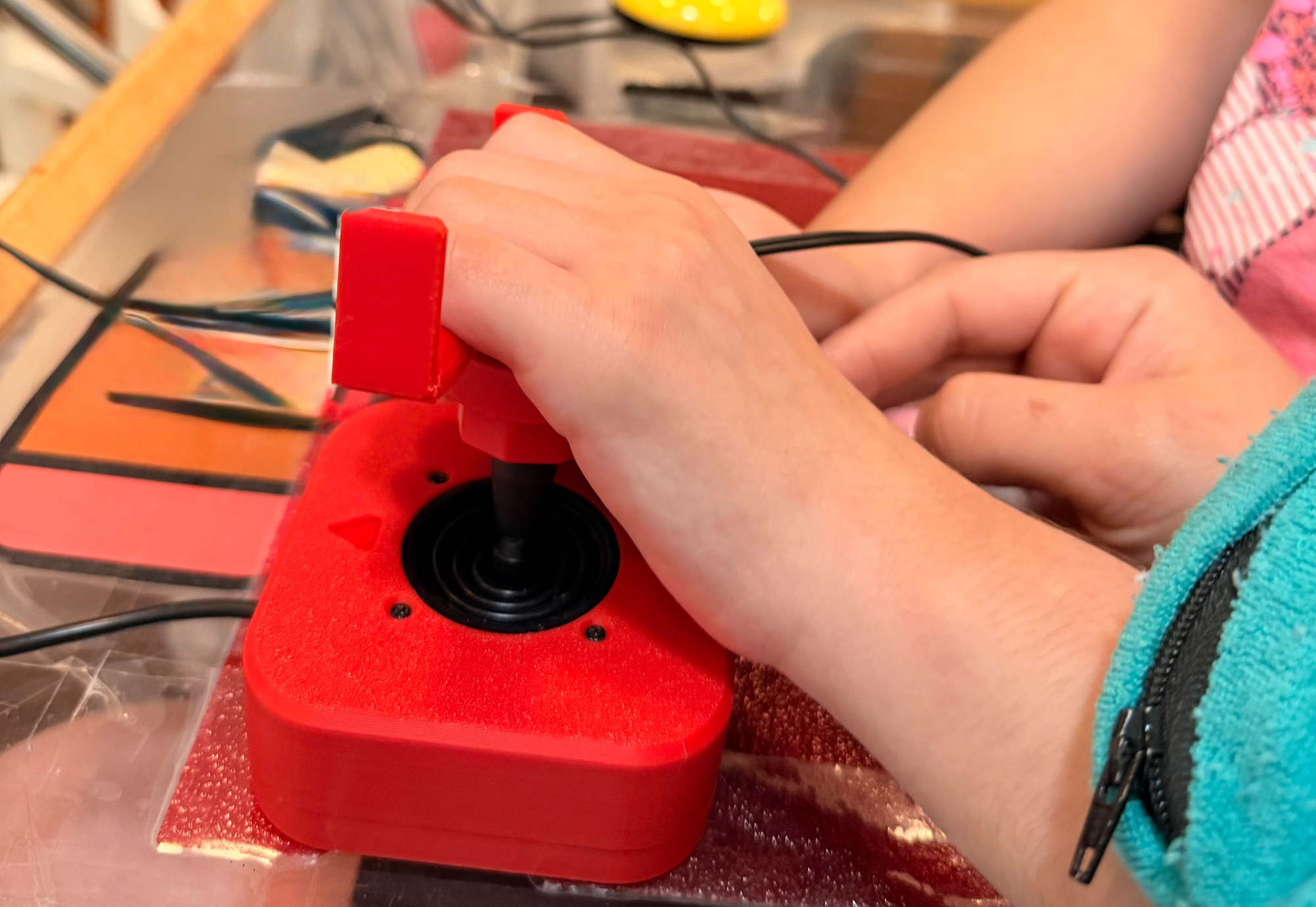
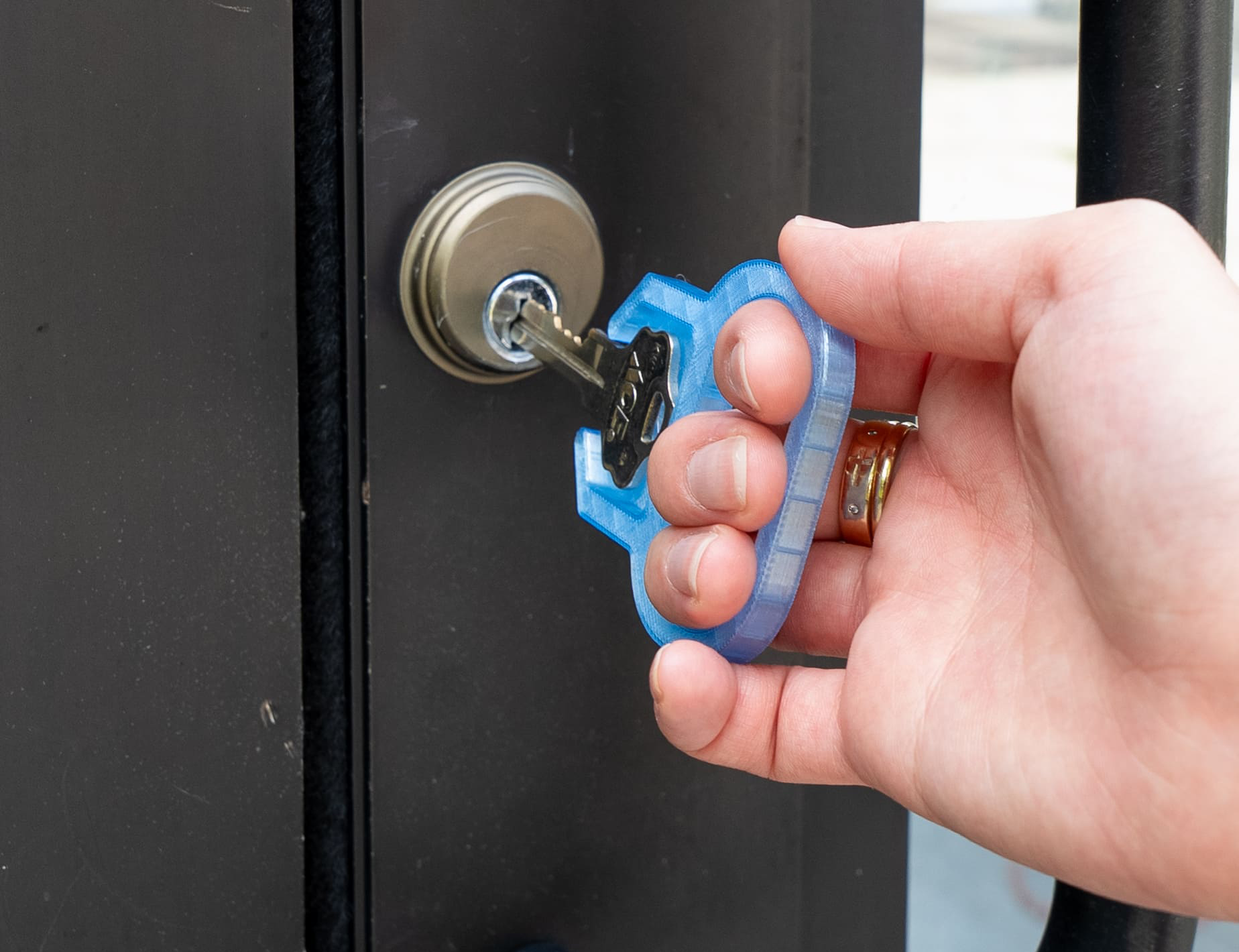
Design programs such as Tinkercad allow makers to start with a blank canvas and combine shapes and points to create fully customizable designs. Other platforms, such as Thingiverse and Printables, host hundreds of free downloadable design files for 3D models of assistive devices. The types of tools one can create with 3D printing are endless; specific examples that we’ve created at Fluxspace include custom-designed handles and grips for objects like paintbrushes, pencils, and silverware for those with limited hand mobility, water bottle holders to clip on to wheelchairs, and tools that can help with everyday tasks such as turning keys or opening pull-tab cans. One of the most influential adaptive devices that can be fabricated using 3D printing is prosthetics. 3D printed prosthetics allow individuals to customize them to their specific measurements, creating a more precise and comfortable fit. Looking ahead, material scientists are working to create stronger, more flexible filaments that will expand the abilities of 3D printed prosthetics and devices beyond what’s currently possible. We can’t wait to see how the technology continues to advance!
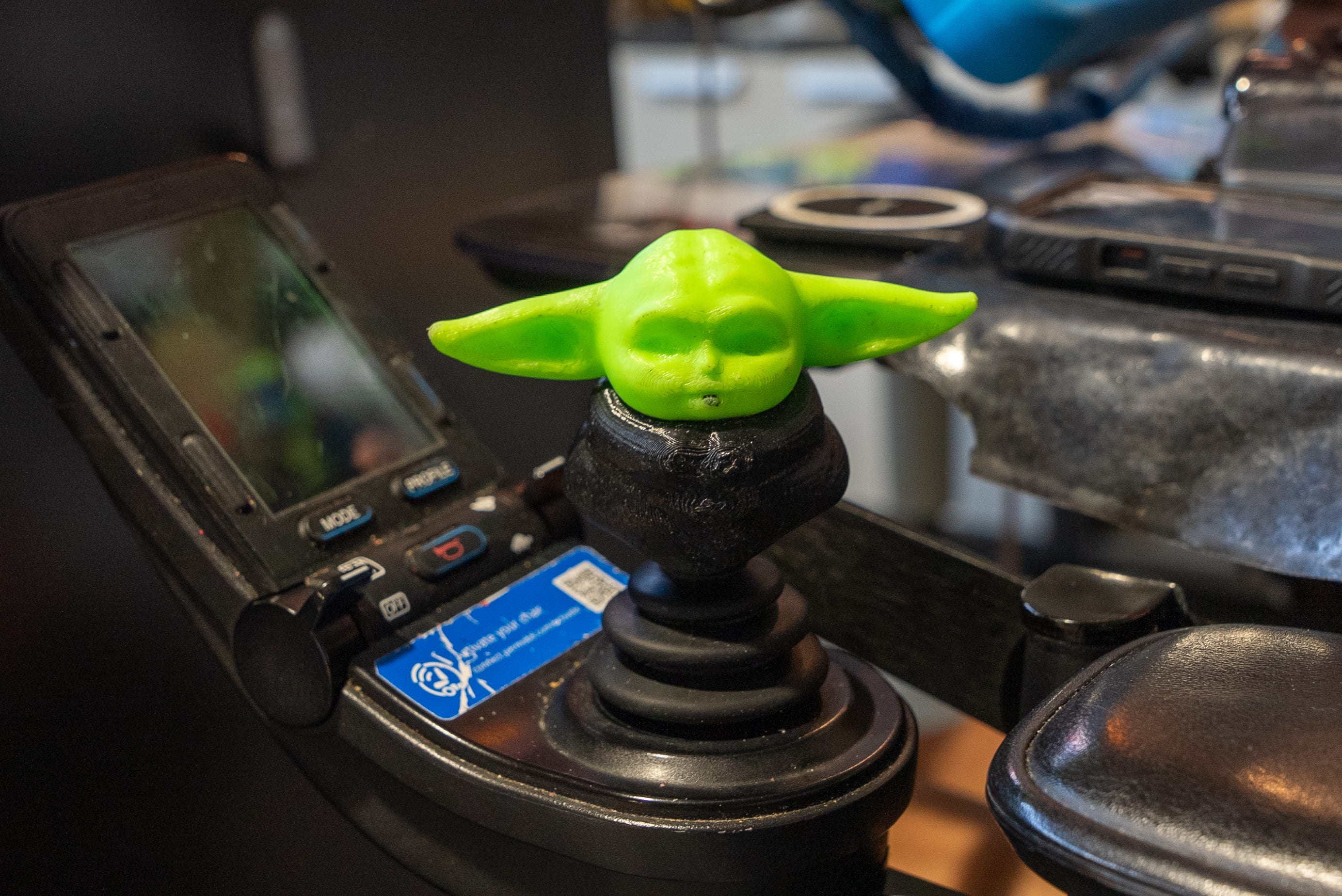
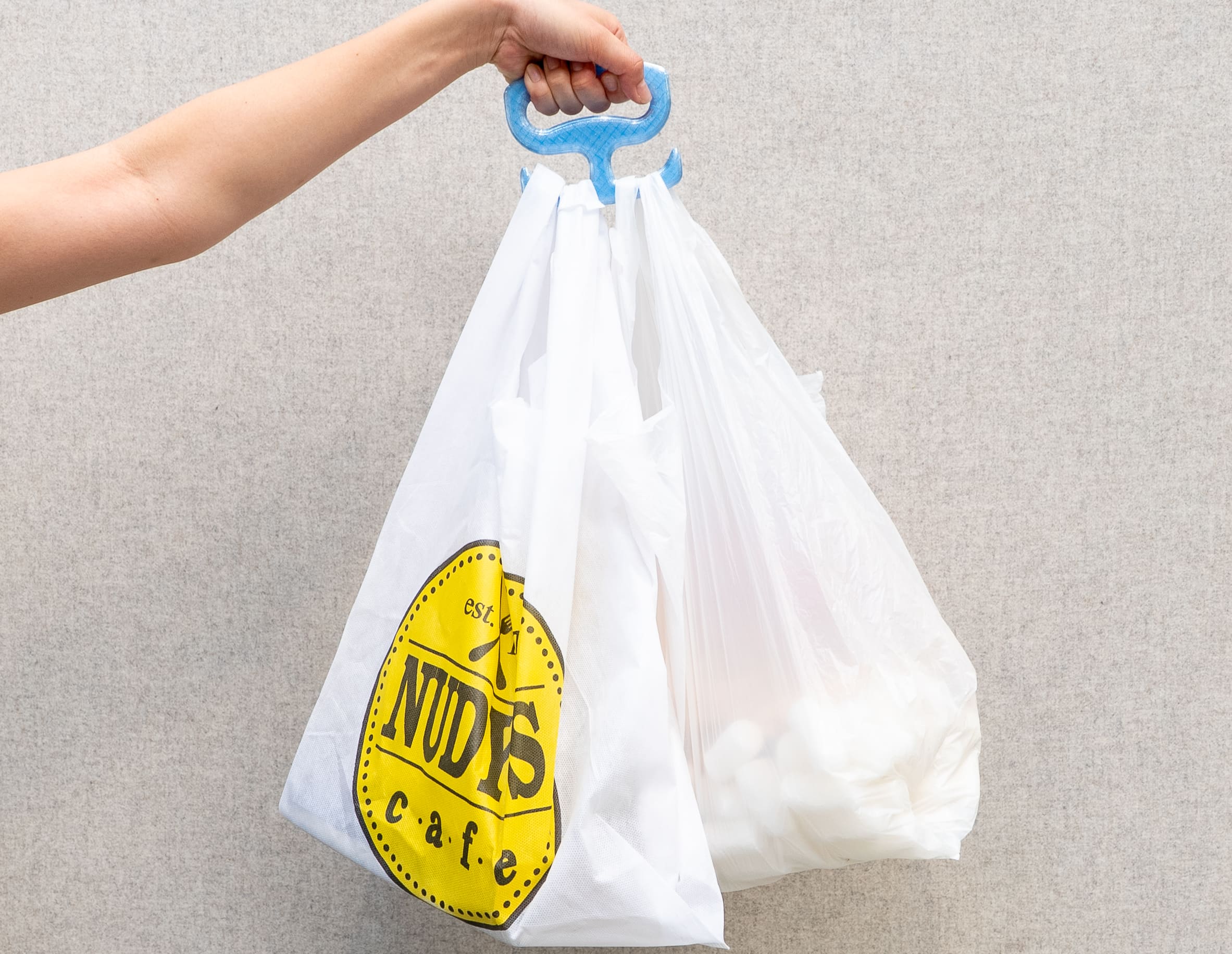
The ability to 3D print assistive technology not only makes these devices more affordable, customizable, and readily available, but it also promotes hands-on learning and inclusivity. From creating pencil grips to prosthetics, this innovative approach pushes the boundaries of what’s possible and empowers individuals with disabilities to innovate change. Interested in exploring 3D printer options and learning more about 3D printed adaptive technology? Reach out to our team to schedule a visit.
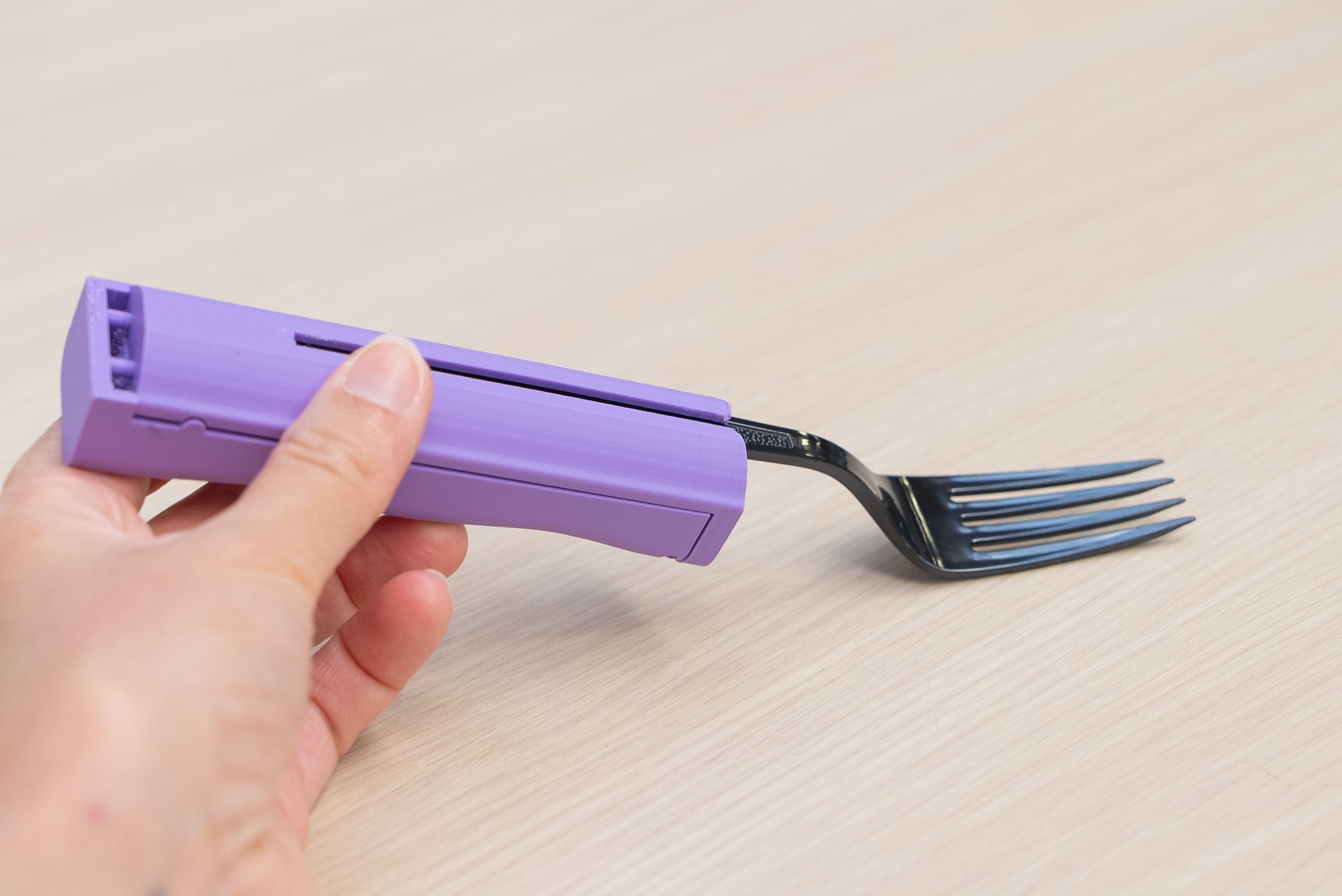
Project Examples
Have a solution to this challenge you want to share? Take a photo or video of your prototype, post it on social media, and don’t forget to tag us @fluxspace_io